Wood Ashes Organic Fertilizer
(0-2-10)
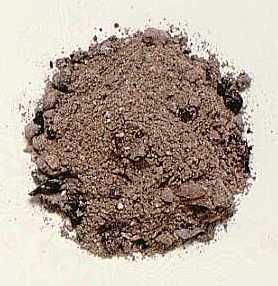
Wood Ashes (WA) at one time was an important source of Potassium
in farming and horticulture. Now that there are much better sources of
Potassium, WA has been relegated to the home organic garden as an
organic fertilizer. WA contains between 4-10% Potassium, 2% Phosphorus,
25-50% Calcium, 1-3% magnesium and trace amounts of sulfur.
WA can be used to increase soil
pH, but a report from Ohio State University explains that it
takes twice as much WA as lime to increase pH. So due to the light
weight of WA, it would take considerable amount to increase the soil's
pH to alkaline levels.
WA as a fertilizer is very water soluble so its nutrient
availability in the soil is fast acting.
Caution: If your pH is at or
above 7 caution should be used when using too much WA in your organic
garden. If you use WA as a source of Potassium then it is a good idea
to test your soil garden's pH yearly.
What about Coal Ash as a Organic Fertilizer?
Coal base ash is suspect unless you know the source. The
concern with Coal Ash is the amount of metals that go into the compost
and soil. But in saying this there is research that coal ash benefits
compost and your organic soil by adding trace nutrients and raising pH.
This is good in the Mid-west and Eastern U.S. but not in So California.
The research also says that the weathering effect of the compost
process actually minimizes pH effects of coal ash.
WA Use:
- Used to improve a plants overall health
- Used to increased root growth
- Can be added to the surface or blended into the soil
- Low cost Potassium source
- Helps buffer soils with low pH
- Can ge used in compost
- Repels Slugs
and Snails
Return to Organic Fertilizers from Wood Ashes Organic Fertilizer
Enjoy this page? Please pay it forward. Here's how...
Would you prefer to share this page with others by linking to it?
- Click on the HTML link code below.
- Copy and paste it, adding a note of your own, into your blog, a Web page, forums, a blog comment,
your Facebook account, or anywhere that someone would find this page valuable.
|