|
Obliquebanded Leafroller
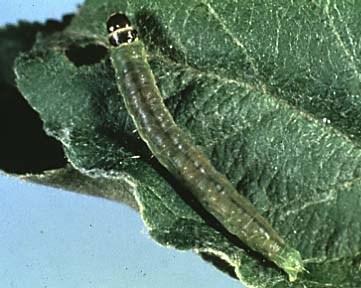
View more pictures: Bing Images Google Images Yahoo Images Common names: Obliquebanded Leafroller, Rose Leaftier Scientific name: Choristoneura rosaceana Region: This Caterpillar is found throughout North America. Life cycle: This insect produces one to two generations each year, one in spring and one in late summer. Hibernation occurs in a cocoon. Physical Description: This 3/4 inch long caterpillar is greenish with a black head. The adult moth is grayish brown with a wingspan of about 3/4 of an inch. The eggs are green and are often laid in branches and on rose leaves. Feeding characteristics: This pest attacks apple, apricot, ash, bean, blackberry, celery, cherry, currant, peach, pear, raspberry, strawberry, many vegetables, and flowers, as well as trees and shrubs. The larvae will mine leaves in early spring by rolling the leaves and then tie them together and feeding on the inside. It will also tie the terminal leaves together, which interferes with the growth of the tree. Controls: When only a few plants are infested, pinch off all and destroy all the affected leaves and branches. The Spined Soldier Beetle may be used to control this pest. For larger scale problems, dust plants with a mixture of equal parts of tobacco dust or pyrethrum powder. Or spray with a mixture of pyrethrum and rotenone. Dust or spray twice, 30 minutes apart. The first application will drive the caterpillars out and the second will kill them. Bacillus thuringiensis and sabadilla can also be use for large problems. Return from Obliquebanded Leafroller to Insects M-P Encyclopedia of Garden Insects |